ONAIR / Maintenance & Troubleshooting
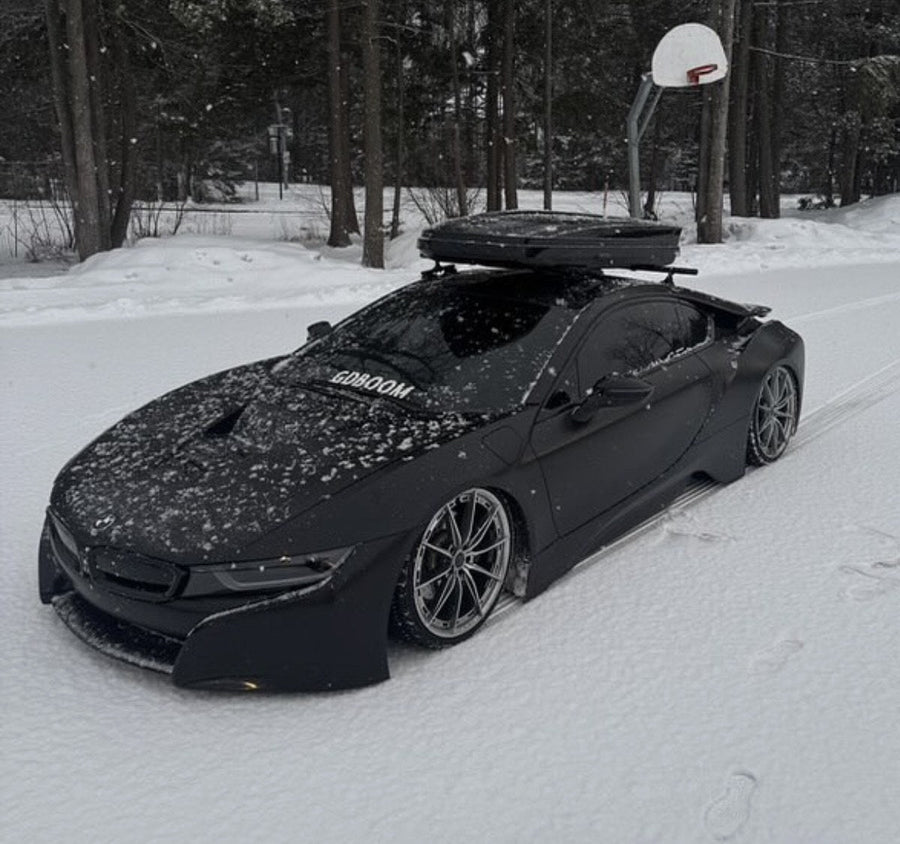
Can you run air ride through winter?
Start with the conditions your system needs, then follow the right guide for driving or storage.
A suitable, properly installed air-ride system can be used in winter, but that is not a guarantee for every component or climate. Moisture control, equipment temperature limits, leak-free operation and sensible road clearance are the priorities.

Check tank and trap drainage before freezing weather.
Use the temperature and operating limits of the fitted equipment.
Winter driving and months of storage need different plans.
01 / THE DETAILS
Check the system before the weather tests it.
- Resolve persistent pressure loss and abnormal compressor cycling.
- Inspect lines, fittings, mounts and electrical connections.
- Confirm the designated drains remain accessible.
- Check the actual components' temperature limits.
- Establish appropriate driving clearance and use suitable tires.
Height adjustment does not replace winter traction or driving to the conditions. Nor does a heated trap guarantee that every line, valve and tank is protected from freezing.
02 / THE DETAILS
Moisture is the maintenance priority.
Collected water can freeze and restrict operation. Inspect the tank and water-management equipment, and drain them using their own designated procedures. A trap does not eliminate water collecting elsewhere in the system.
Use an additive only when its exact product and procedure are approved for the complete installed setup. Never substitute engine coolant, force a frozen drain or use an open flame.
03 / THE DETAILS
What if the system stops responding in the cold?
Stop repeated commands and avoid driving at an unsafe height. Do not make the compressor keep working against a suspected restriction. Arrange safe inspection and follow the equipment guidance for warming and servicing the system.
Temperature can change pressure readings. Persistent settling or one corner repeatedly dropping still needs investigation rather than automatic dismissal as cold weather.
04 / THE DETAILS
Choose the guide that matches your winter.
Driving the car
Use the detailed Canadian winter maintenance guide for moisture care and cold-weather ownership.
Putting it away
Use the winter storage guide for the on-tires height recommendation, shutdown planning and return to service.
This article is the starting point. The longer guides cover the practical routines without treating daily use and long-term storage as the same situation.
ONE MORE THING
The questions that come next.
Does airing out stop the tank from freezing?
No. Lowering the suspension does not remove the water collected in the tank or valves.
Should every air-ride owner add air-brake antifreeze?
No. Compatibility and procedures vary between systems. The manufacturers of the installed components must approve the exact product and use.
Can I ignore a new leak because it is cold?
No. Compare conditions thoughtfully, but continuing height loss or abnormal cycling still needs inspection.
Sources & equipment references
General education is not a replacement for the instructions supplied with your exact components. Product-specific ratings and procedures do not transfer automatically to another setup.
- Air Lift Performance: tank condensation
Moisture management remains necessary in compressed-air systems.
- ONAIR Canadian winter maintenance guide
Detailed winter-driving guidance and equipment references.
- ONAIR winter storage guide
Separate guidance for extended parking.